Table of Contents
Ever stumbled on a loose paver or tried to find your way across a dark, sloping yard after the sun goes down? If you're a Knoxville homeowner, you probably know the feeling. It's that little bit of uncertainty that can make your own beautiful property feel a bit unwelcoming, or even unsafe, at night. That’s a common problem, whether you’re in a historic home near downtown or a newer build in Hardin Valley.
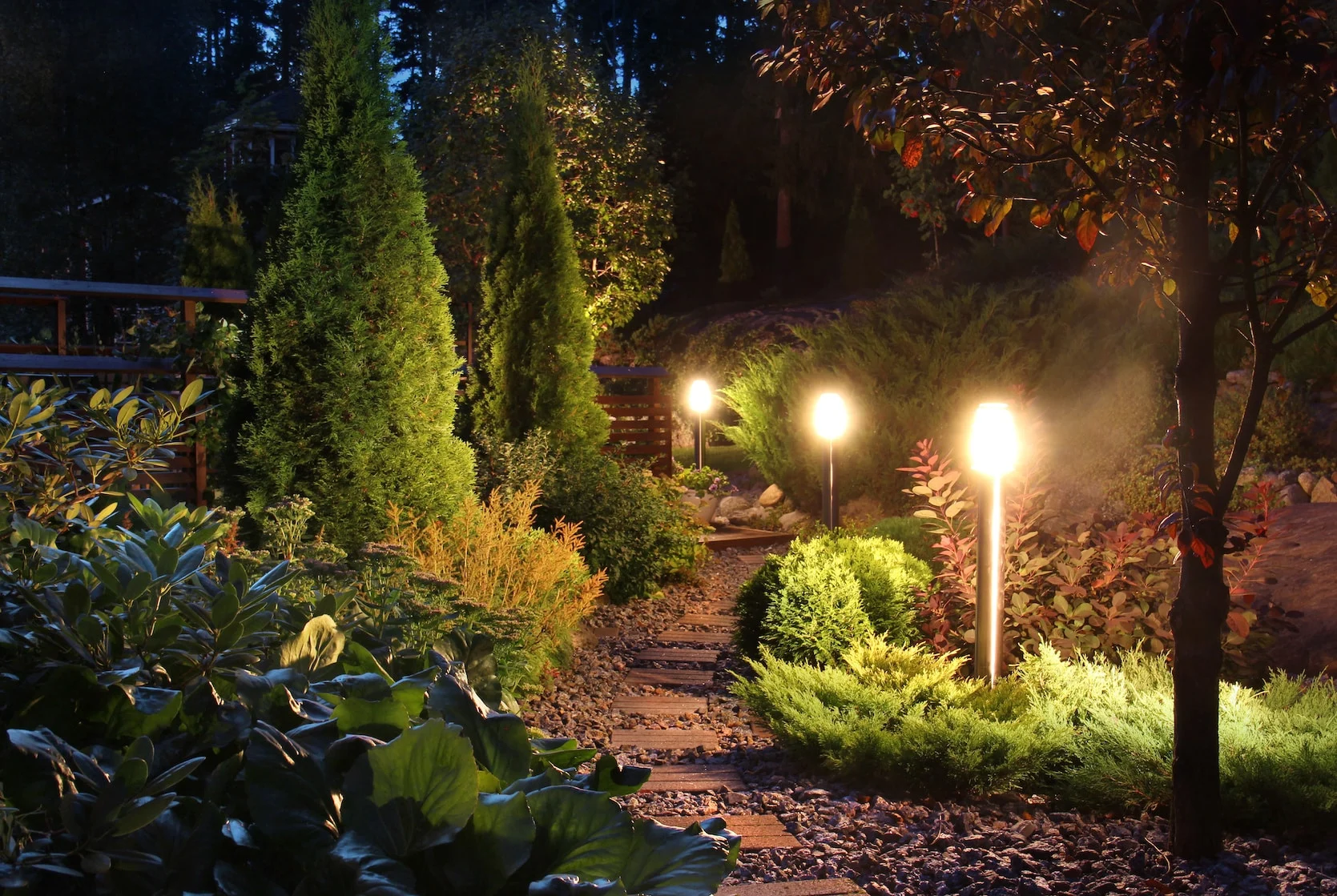
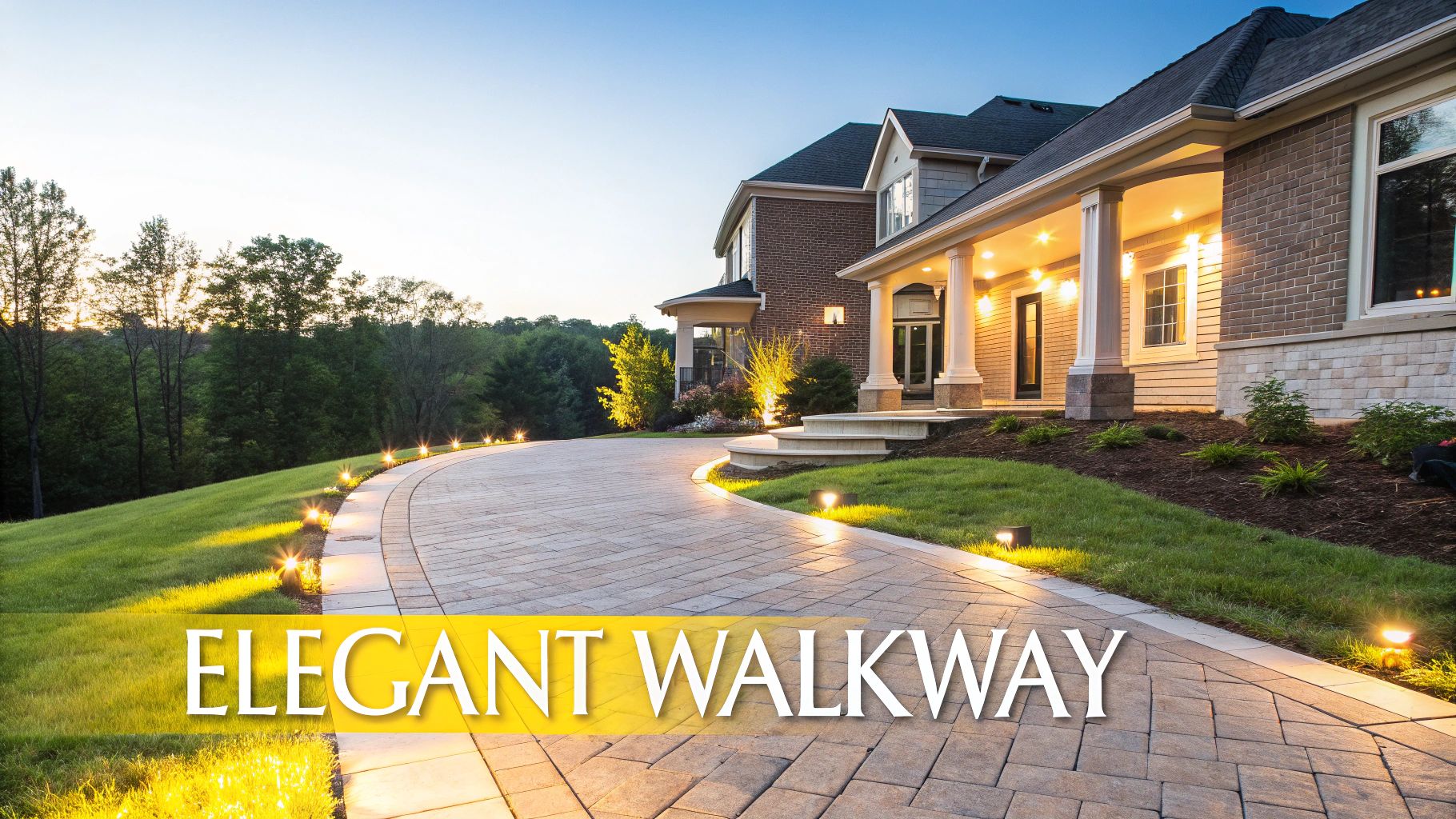
The answer isn't to blast the area with bulky, glaring fixtures. Instead, picture a walkway that seems to glow from within, guiding your every step with a soft, sophisticated light. That's the magic of low-profile pathway lights—the elegant, modern solution for incredible curb appeal and sure footing.
The Secret To An Elegant And Safe Walkway
Low-profile pathway lights are designed to blend right into your landscape. They provide beautiful, functional illumination without ever drawing attention to themselves. Unlike those traditional, taller path lights that can clutter up a garden bed or stick out like a sore thumb along a walkway, these discreet fixtures are made to practically disappear.
They are the cornerstone of any modern landscape lighting design, turning potentially hazardous paths into beautifully illuminated features. Whether you live in Farragut, Hardin Valley, or closer to downtown Knoxville, navigating East Tennessee's rolling terrain after dark calls for a smart lighting plan.
Why a Subtle Approach Works Best
A truly well-designed lighting system is all about creating depth and visual interest. Big, bulky fixtures often create what we call a "runway effect"—just a series of distracting bright spots lining a path. Low-profile lights completely avoid this by focusing on the effect of the light, not the fixture itself.
This subtle approach brings some immediate and powerful benefits to your property:
- Enhanced Safety: They put targeted light exactly where it’s needed most. This is perfect for illuminating the uneven surfaces, steps, and elevation changes so common in our hilly region.
- Improved Curb Appeal: By casting a gentle, downward glow, these lights highlight the rich textures of your stone pavers or trace the soft edges of a garden bed, all without any harsh glare.
- Modern Aesthetics: Their minimalist design is a perfect match for any architectural style, from the historic homes in Sequoyah Hills to the newest modern builds out in West Knoxville.
The goal of a well-designed lighting system is to create depth and interest with light. When combined with architectural lighting and accent lighting, path lights provide the bottom layer of light necessary for a beautiful and balanced lighting design.
In this guide, we'll dive into how these little fixtures can make a huge transformation on your property. We'll cover everything from design and placement to installation details, showing you how a professional touch makes all the difference. You can see some stunning examples of how subtle lighting elevates local homes in our landscape lighting gallery.
Understanding Low Profile Pathway Lights
So, what exactly are low profile pathway lights? When you picture traditional path lights, you probably think of those taller fixtures that line a walkway like little lampposts. Low-profile lights are the complete opposite.
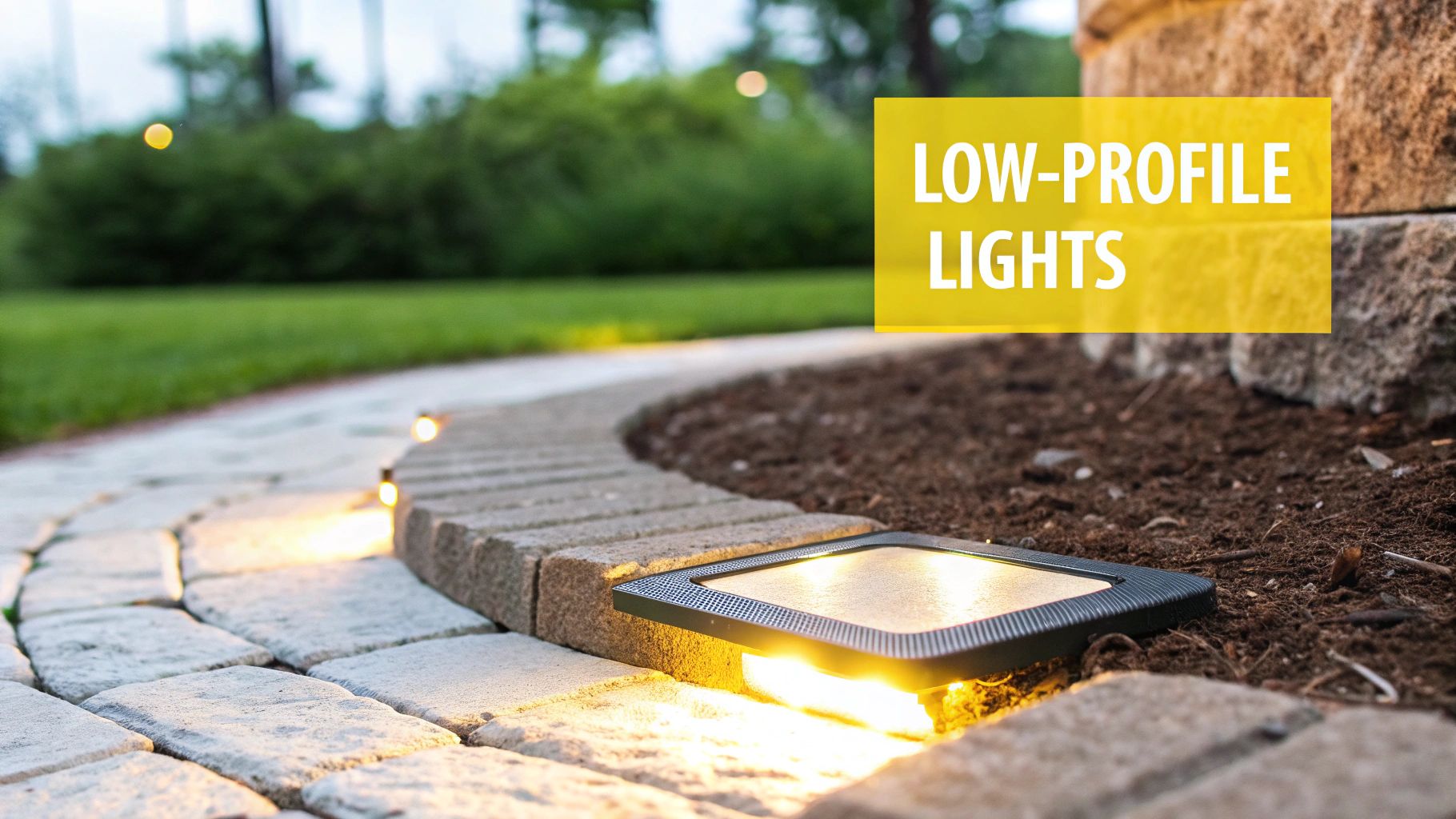
Think of them as recessed lighting, but for your landscape. Instead of a fixture that stands out and screams "I'm a light!", these are designed to melt into their surroundings. They're the quiet workhorses of a sophisticated lighting plan, designed to deliver beautiful, effective illumination without ever drawing attention to themselves. Their whole philosophy is about the effect of the light, not the fixture itself.
This means you’ll often find them installed completely flush with the ground, built right into hardscapes like stone retaining walls, or designed as sleek, tiny bollards that barely peek above your garden mulch.
Why Their Design Matters in Knoxville
There's a really good reason for this minimalist approach. Taller, more traditional path lights can accidentally create a distracting "runway" effect of bright hot spots and dark patches. It can feel a bit like an airport tarmac. Low-profile fixtures completely avoid this by casting a controlled, downward wash of light exactly where you need it—on the path itself.
This targeted approach is a game-changer for the unique terrain we see all around Knoxville. For homes with tiered gardens, stone steps, or sloped yards—common in neighborhoods from Farragut to Hardin Valley—these lights offer incredible safety without creating visual clutter. They highlight the beautiful texture of your pavers and define the edges of your garden beds, all while getting rid of the harsh glare that can ruin a peaceful evening outdoors.
It's no surprise the demand for these smart, discreet fixtures is on the rise. Path lights already make up about 27% of all landscape lighting products, and the entire industry is projected to hit an incredible $22.01 billion by 2030. That growth signals a major shift toward more thoughtful, integrated lighting. You can read more about landscape lighting market trends here to see where things are headed.
Common Types You'll See
You'll find low-profile pathway lights in a few different forms, and each one has a specific job. Here are a few of the popular types we love to use in our Knoxville lighting designs:
- Flush-Mount Lights: These are installed directly into hard surfaces like patios, walkways, or wooden decks. They sit completely level with the surface, giving you an incredibly clean, seamless look that you can walk or even drive right over.
- Integrated Step Lights: Built right into the vertical face of a step (what's called the "riser"), these fixtures are designed to cast light downward across the tread. This makes stairs much safer and creates a really dramatic, high-end visual.
- Mini Bollards & Hat Lights: Think of these as much shorter, more stylish versions of traditional path lights. They often stand just a few inches tall, making them perfect for tucking into garden beds to gently wash light over an adjacent path.
By keeping the light source low to the ground and shielded, low profile pathway lights create a layered, high-end look. They make your property feel thoughtfully designed, safer, and more inviting after dark.
Key Benefits For Your Knoxville Property
Choosing the right lighting is about much more than just helping you see in the dark. It’s a direct investment in your home's safety, curb appeal, and overall value. For homeowners here in Knoxville, low profile pathway lights offer a unique set of advantages that are perfectly suited to our local lifestyle and the beautiful, rolling terrain of East Tennessee.
These sleek, modern fixtures go way beyond simple illumination. They provide four core benefits that can truly elevate your property.
Superior Safety on Uneven Terrain
From the steep driveways in West Knoxville to the charming but tricky stone steps in historic neighborhoods, our local landscape has its share of navigational challenges after the sun goes down. Low profile pathway lights are engineered to tackle these exact areas with precision.
By casting a controlled, downward glow, they get rid of harsh shadows and clearly define changes in elevation. This targeted lighting makes sure every step, paver, and potential trip hazard is visible, giving you and your guests sure footing. It’s a practical safety upgrade that blends in so well you’ll only notice the comfortable, secure path it creates.
Elevated Curb Appeal and Ambiance
Great landscape lighting should highlight your property's best features without drawing attention to the fixtures themselves. This is where low profile lights absolutely shine. Their discreet design lets them disappear into garden beds, stonework, and walkways, putting the focus squarely on the beautiful effect of the light.
- Subtle Highlighting: They can trace the elegant curve of a walkway in Farragut or softly illuminate the vibrant foliage in a Hardin Valley garden bed.
- Warm Welcome: The gentle, welcoming glow creates an inviting atmosphere for family gatherings on the patio or for guests arriving for a holiday party. It makes your home feel like a warm, polished retreat.
- Architectural Enhancement: The soft pools of light can also graze the base of stone columns or retaining walls, adding texture and depth to your home’s architecture.
Enhanced Security and Peace of Mind
A well-lit property is a huge deterrent to potential intruders. Dark, unlit pathways and shadowy corners can make a home feel vulnerable. Strategically placed low profile pathway lights work to eliminate these dark spots along the most common access points to your home.
By creating a consistent layer of light around your property's perimeter, you improve visibility and discourage unwanted visitors. This enhances your family's security and provides invaluable peace of mind without creating the harsh, prison-yard glare of overly bright floodlights.
These modern, energy-efficient LED systems are an incredibly smart and versatile choice for any local property. They provide the perfect blend of sophisticated design, practical safety, and reliable security, making your home safer and more beautiful every single evening.
Designing Your Perfect Illuminated Path
Creating a killer lighting scheme is a lot like painting—it takes a bit of artistic flair and some technical know-how. When it comes to low profile pathway lights, a truly professional design is more than just sticking fixtures in the ground. It’s about creating an experience that feels safe, looks incredible, and perfectly complements your Knoxville home.
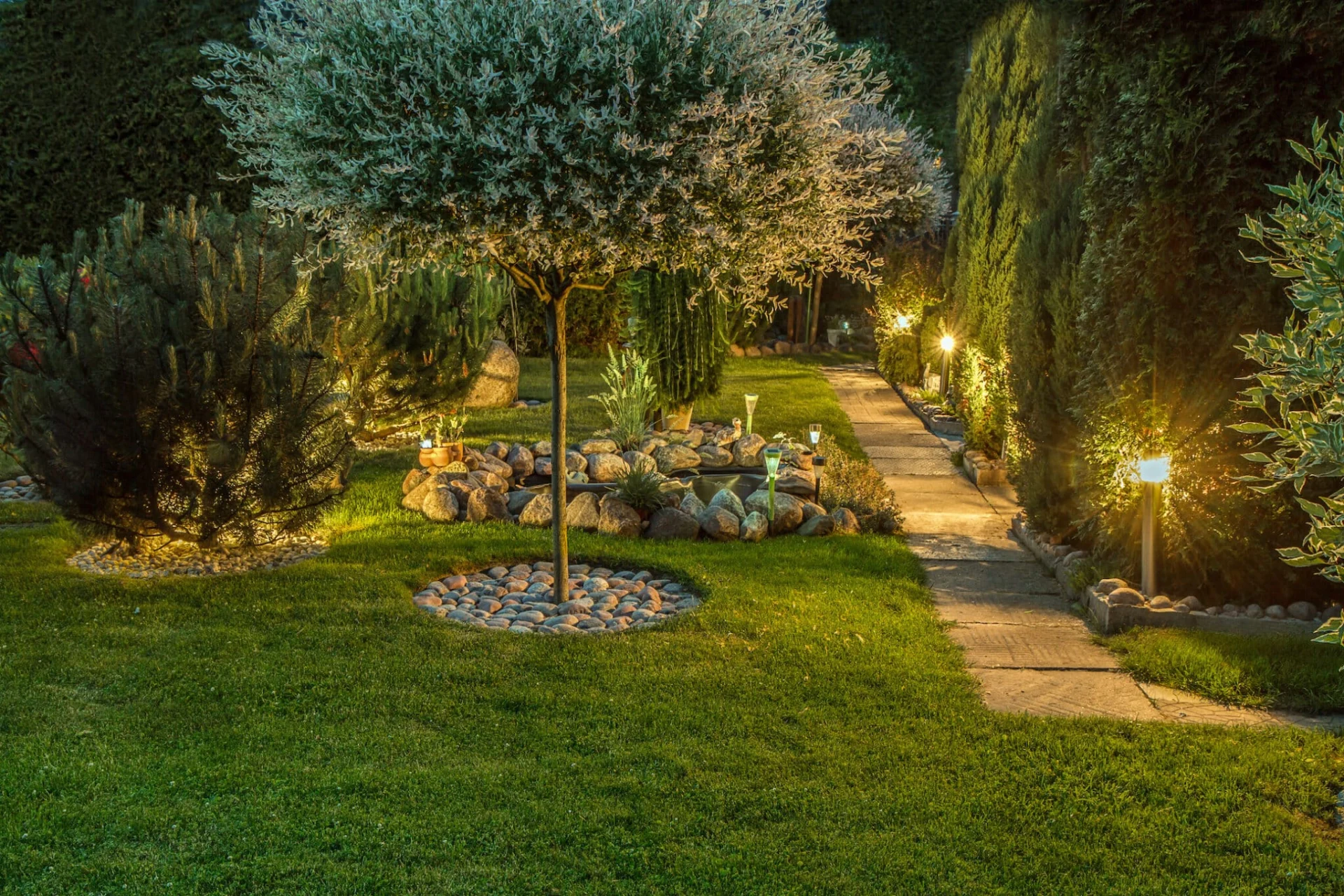
The biggest rookie mistake? Lining up the lights like soldiers in a perfectly straight, evenly spaced row. It creates a harsh "runway" effect that feels sterile. For a much more natural and high-end look, we almost always recommend a staggered or asymmetrical layout. This creates gentle, overlapping pools of light that naturally guide you down the path.
Spacing and Placement Tips
Getting the spacing right is everything. It's the key to avoiding awkward dark spots or, just as bad, overpowering glare that makes it hard to see. A good rule of thumb is to place fixtures so the light from one just kisses the edge of the light from the next.
Here are a few pro tips we use on our projects:
- For Straight Paths: Try placing lights on alternating sides of the path every 8 to 10 feet. This simple trick breaks up the monotony and gives you beautifully balanced illumination.
- For Curved Walkways: Always place lights on the inside of the curve. This helps define the walkway’s shape, guides movement, and adds a serious touch of elegance.
- Near Steps or Entrances: We always cluster lights a bit closer in these critical spots. It’s all about ensuring maximum visibility and safety where it counts the most.
The goal isn't just to light the way; it's to create a gentle, cohesive flow of light. Think of it as connecting a series of soft, glowing dots that form a welcoming and secure guide through your property after dark.
A well-thought-out layout can completely elevate your entire property. You can see how all the different pieces of a design come together in our comprehensive guide to professional landscape lighting.
Choosing the Right Light Quality
Beyond where you put the lights, the quality of the light itself makes a huge difference. The two biggest factors here are color temperature and beam angle.
Color temperature, measured in Kelvins (K), is just a simple way of describing whether the light appears warm and yellowish or cool and bluish. For the lush greenery and classic brick so common here in East Tennessee, a warm white light between 2700K and 3000K is the sweet spot. It creates a cozy, inviting glow that makes natural materials look their best.
Beam angle tells you how wide or narrow the cone of light is. A wider beam is perfect for washing light across broad sections of a walkway. A narrower beam, on the other hand, is great for pinpointing specific features, like a single step or a cool textured stone. Using a mix of angles is how you add real depth and visual interest to your design.
The infographic below really nails the core benefits you get from a thoughtfully designed pathway lighting system.
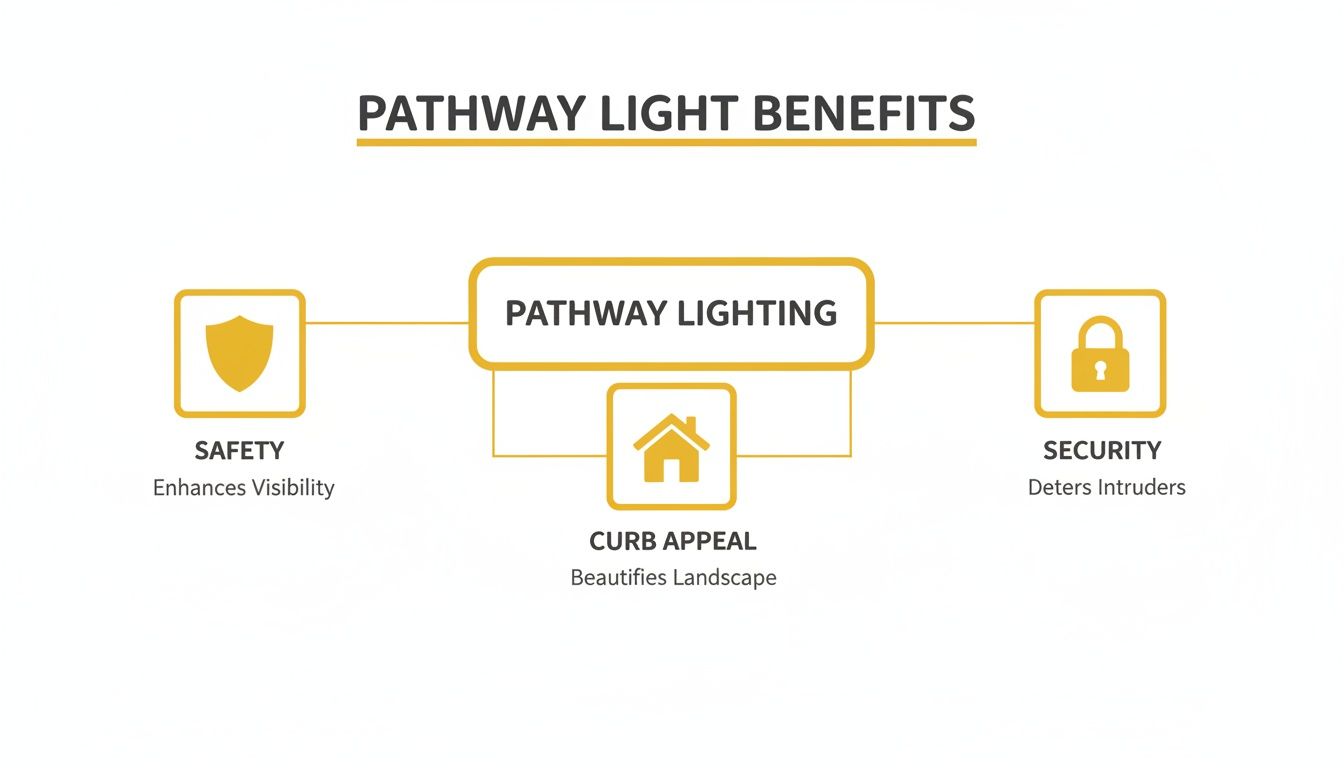
As you can see, great design isn't just about looks—it directly boosts your home's safety, curb appeal, and security.
Selecting Durable Materials for the Knoxville Climate
Let's be honest, East Tennessee weather can be tough on outdoor fixtures. Between the humid summers and the occasional winter freeze-thaw cycle, you need materials that can really take a beating.
When we're choosing fixtures, we look for materials that are built to last right here in Knoxville.
Choosing The Right Fixture Material For Knoxville's Climate
| Material | Durability & Weather Resistance | Appearance Over Time | Typical Cost | Best For |
|---|---|---|---|---|
| Brass & Copper | Excellent. Naturally corrosion-proof. Handles humidity and temperature swings with ease. | Develops a beautiful, natural patina (a greenish or brown finish) that blends into the landscape. | Higher | Homeowners who want a "buy it for life" fixture that gets better with age. |
| Powder-Coated Aluminum | Good. The powder coating provides a strong barrier against rust and UV damage. | Finish stays consistent but can chip or scratch over time, potentially exposing the metal. | Moderate | A solid, budget-conscious choice that offers reliable performance and a clean look. |
| Composite/Plastic | Fair. Can become brittle in freezing temperatures and may fade or discolor from UV exposure. | Prone to cracking and fading over several seasons. Color can look less premium. | Lower | Temporary solutions or areas with very low foot traffic and minimal sun exposure. |
Ultimately, investing in quality materials like brass, copper, or a high-grade powder-coated aluminum pays for itself. You'll avoid the hassle and expense of replacing cheap, weathered fixtures every few years. It's about choosing a solution that will look just as good a decade from now as it does the day it's installed.
Installation: Low-Voltage Versus Solar
Once you have a design mapped out, it’s time to bring that vision to life. The first big decision you'll make is the power source, and this is where a professional system really proves its worth compared to what you’ll find at a big-box store.
For durable, reliable, and consistently beautiful low profile pathway lights, a low-voltage system is the undisputed professional standard. These systems use a transformer to step your home's standard 120-volt electricity down to a much safer 12 volts, making them perfectly safe to install and operate in damp environments like your Knoxville garden.
More importantly, a low-voltage setup delivers steady, powerful light that won’t dim or flicker. Your pathways will be perfectly and reliably lit, every single night.
Why Low-Voltage Outperforms Solar
Solar-powered lights can seem tempting. After all, you just stick them in the ground and you’re done, right? While they might have a place for temporary or purely decorative use, they simply can't hold a candle to the performance of a wired low-voltage system. This is especially true during East Tennessee’s often overcast winter days.
Here’s where solar just can’t keep up:
- Inconsistent Brightness: A solar light's performance is completely at the mercy of the day’s sunlight. A few cloudy days in a row can leave you with dim, unreliable, or completely dead lights when you need them most.
- Limited Power: Most solar lights just aren't bright enough to provide real safety illumination for navigating steps or uneven ground in the dark.
- Short Lifespan: The built-in batteries and panels degrade surprisingly fast. You’ll find yourself needing to replace them frequently just to maintain even minimal performance.
A professionally installed low-voltage LED system, on the other hand, gives you stunning, dependable light every single night, no matter what the weather does. It's also an incredibly efficient choice. The low-voltage lighting market is projected to hit nearly $2.4 billion by 2032, driven largely by the efficiency of LED technology that can slash energy use by 50%–80% compared to old halogen systems. You can explore more low-voltage landscape lighting market projections here.
DIY Projects vs. Professional Installation
The final piece of the puzzle is deciding how to get the system in the ground. While going the DIY route might seem like a good way to save a few bucks, landscape lighting installation is full of technical pitfalls that can lead to a lot of frustration and a system that just doesn't work right.
A professional installer does more than just bury wires. They calculate voltage drop over long runs, ensure all connections are waterproof and secure, and understand how to work with Knoxville’s challenging rocky soil to protect your system for years.
Ever seen a string of path lights where the last one is way dimmer than the first? That’s called voltage drop, and it’s a classic sign of improper wiring. A professional knows how to design the layout and use the right components to avoid this, guaranteeing every light in your system is just as bright and beautiful as the next.
For a flawless, durable system that boosts your home’s value and safety, trusting an expert is always the best investment.
Trust Knoxville Experts For Your Lighting Project
You now have a solid grasp of what makes low profile pathway lights such a great choice. The final, and most important, step is bringing that vision to life with a perfect, lasting installation. These fixtures are the definition of sophisticated design, but getting that professional result that can stand up to Knoxville’s weather? That takes local expertise.
And that's where our team at Switch Lights comes in. We live and breathe custom landscape lighting, designing and installing systems for homeowners and businesses all across Knoxville, Farragut, Hardin Valley, and the surrounding areas. We have a deep understanding of East Tennessee—from its unique architecture to its challenging, rocky terrain—which allows us to build lighting systems that are not only beautiful but truly built to last.
Why Local Expertise Matters
A great lighting project is so much more than just picking out fixtures. It’s about a thoughtful design that feels like a natural extension of your home and property. We look at everything, from your home's style to the specific challenges your landscape presents.
- Custom Designs: We don’t do cookie-cutter. We create plans tailored specifically to your property’s layout and how your family uses the space.
- Professional Installation: Our experienced technicians make sure every wire is safely buried and every connection is completely waterproof. No shortcuts.
- Durable Systems: We only use high-quality, commercial-grade materials that can handle our humid summers and frosty winters without failing.
We are genuinely passionate about creating lighting systems that bring more beauty and security to our neighbors' homes. You can see exactly how we transformed a local backyard, focusing on making the trees and pathways that glow.
Ready to see how elegant low-profile pathway lights can transform your home after dark? Get a free lighting design consultation.
Common Questions We Hear in Knoxville
Even the best-laid plans can bring up a few questions. We get it. Here are some quick answers to the most common things Knoxville homeowners ask us about getting their low profile pathway lights just right.
How Far Apart Should I Space My Lights?
The magic is in creating overlapping pools of light—you want a gentle glow, not harsh bright spots or spooky dark gaps. As a rule of thumb, we usually start by spacing fixtures 8 to 10 feet apart.
But every path is different. For a long, straight walkway, we'll often stagger the lights on alternating sides to avoid that "airport runway" look. If you have a beautifully curved path, placing the lights a little closer together on the inside of the curve really accentuates its shape and guides the way perfectly.
Are These Little LED Lights Actually Bright Enough?
You bet they are. Modern low-voltage LED lights pack a surprising punch, but it’s less about raw power and more about smart design. The whole point of a low-profile fixture is to direct light down onto the path where you need it most.
This gives you fantastic visibility for safe walking without blinding your guests with annoying glare. They provide more than enough light for sure footing on any walkway, patio edge, or set of steps.
How Do I Keep My Lights Looking Good Through Knoxville's Seasons?
A little bit of simple upkeep goes a long way in making sure your lights perform beautifully for years. East Tennessee's pollen season and humid summers can be tough, so here’s all you really need to do:
- Wipe the Lenses: A few times a year, just take a soft, damp cloth and wipe down the fixture lenses. This gets rid of any pollen, dirt, or water spots.
- Clear Away Debris: Keep an eye out for fallen leaves, mulch that’s been piled up too high, or overgrown plants that might be blocking the light.
- Check the Aim: After a big storm or just during regular yard work, it's a good idea to quickly check that none of the fixtures have been bumped out of place.
That’s it! This tiny bit of effort will keep your pathway lights shining bright, no matter what a Knoxville season throws at them.
Ready to see how the right lighting can transform your home after dark? The team at Switch Lights designs and installs custom lighting systems that bring out the best in your property’s beauty and safety.