Table of Contents
- Welcome Home to a Smarter Knoxville Porch
- Choosing the Right Solar Lights for Tennessee Weather
- Placing Your Lights for Maximum Sun and Style
- A Practical Guide to Installation and Smart Controls
- Keeping Your Solar Lights Working Through Knoxville Seasons
- When to Bring in a Lighting Professional
- Got Questions About Solar Porch Lights? We've Got Answers.
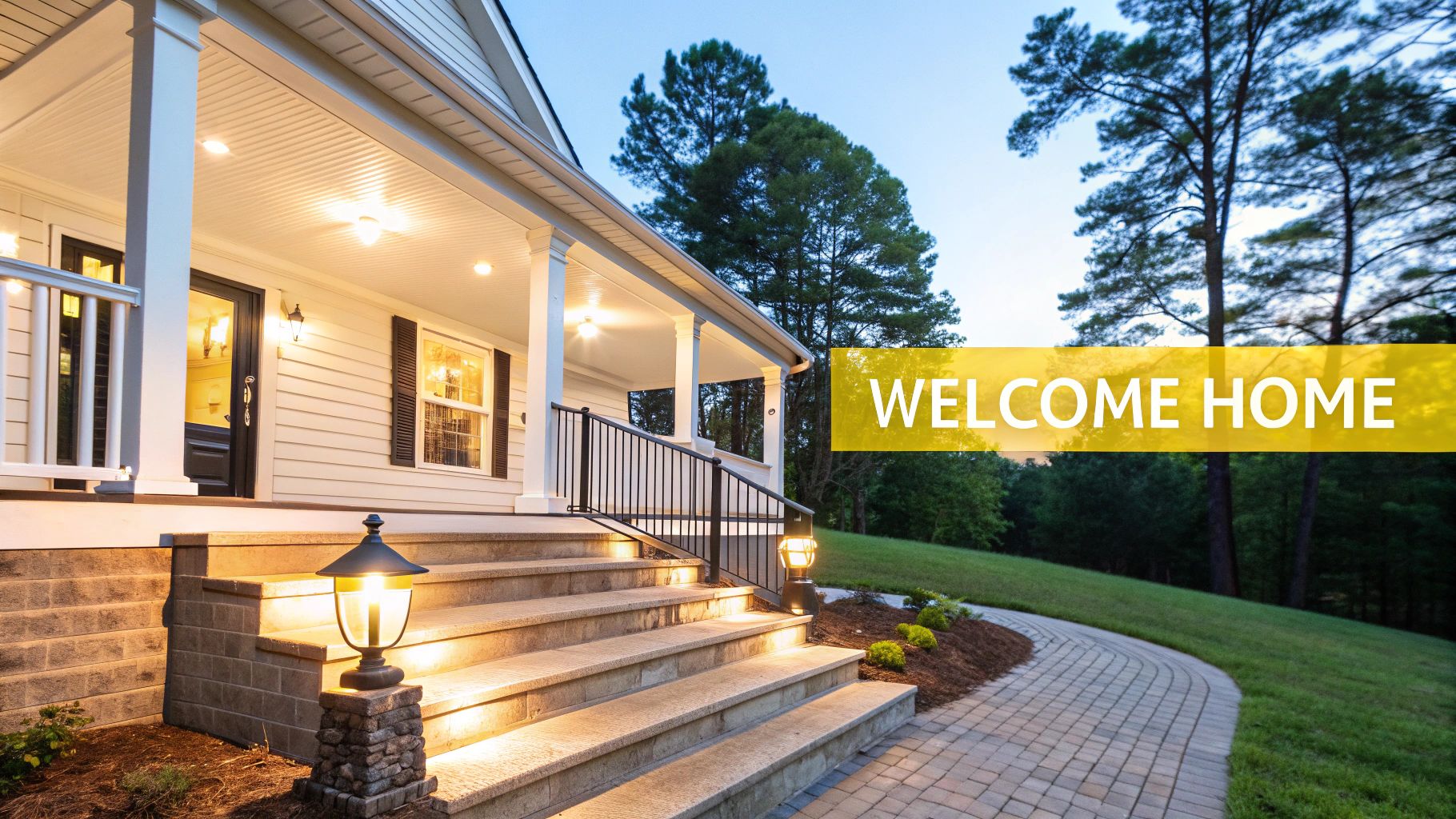
Imagine pulling into your driveway after a long day, not to a dark, shadowy entryway, but to a warm, inviting glow that perfectly highlights your Knoxville home’s architecture. This welcoming scene is powered entirely by the sun, adding nothing to your KUB bill. This is the simple reality of modern solar porch lights outdoor.
For many homeowners in areas like Farragut and Hardin Valley, the challenges are familiar: the headache of complex outdoor wiring, rising energy costs, and the desire for better security without a complicated setup. Solar lighting offers a practical, beautiful solution that’s perfectly suited for our East Tennessee climate.
This guide will walk you through everything you need to know to choose, place, and maintain the perfect solar lights for your porch, turning a functional space into a stunning feature of your home.
Welcome Home to a Smarter Knoxville Porch
The switch to solar isn't just a local trend; it's a nationwide movement. The U.S. outdoor solar LED market hit USD 1.32 billion in revenue in 2024 and is projected to reach an impressive USD 4.81 billion by 2030. For homeowners, this translates into significant long-term savings. You can dig into more U.S. solar market insights on grandviewresearch.com.
What This Means for Your Home
Choosing solar porch lights is about more than just saving money. It's about boosting your home’s curb appeal, enhancing safety, and making your property more functional with minimal effort. The right lights can transform a simple porch into a charming spot for summer nights or a safe, welcoming entrance for holiday guests, all while being completely sustainable.
Here are a few key benefits for Knoxville-area homeowners:
- Effortless Installation: Forget about drilling through brick or hiring an electrician for new wiring. Most solar lights can be mounted in minutes with basic tools you already have.
- Enhanced Security: A well-lit porch is a natural deterrent to intruders. Motion-activated options add an extra layer of protection, lighting up when movement is detected.
- Increased Curb Appeal: Good lighting highlights your home’s best features. Techniques like uplighting stone columns or downlighting your entryway create a warm, high-end look.
- Zero Operating Costs: By harnessing the Tennessee sun, your lights run for free. That’s a return on investment you’ll notice on your very next utility bill.
Whether you have a historic home in Sequoyah Hills or a new build in Hardin Valley, solar lighting offers a flexible and stylish way to upgrade your exterior. The technology has advanced significantly, making today's fixtures reliable enough for year-round performance.
If you're looking to brighten up your front door or design a cohesive lighting scheme for your entire property, solar is a smart place to start. For more inspiration, check out our outdoor lighting ideas for your backyard.
Choosing the Right Solar Lights for Tennessee Weather
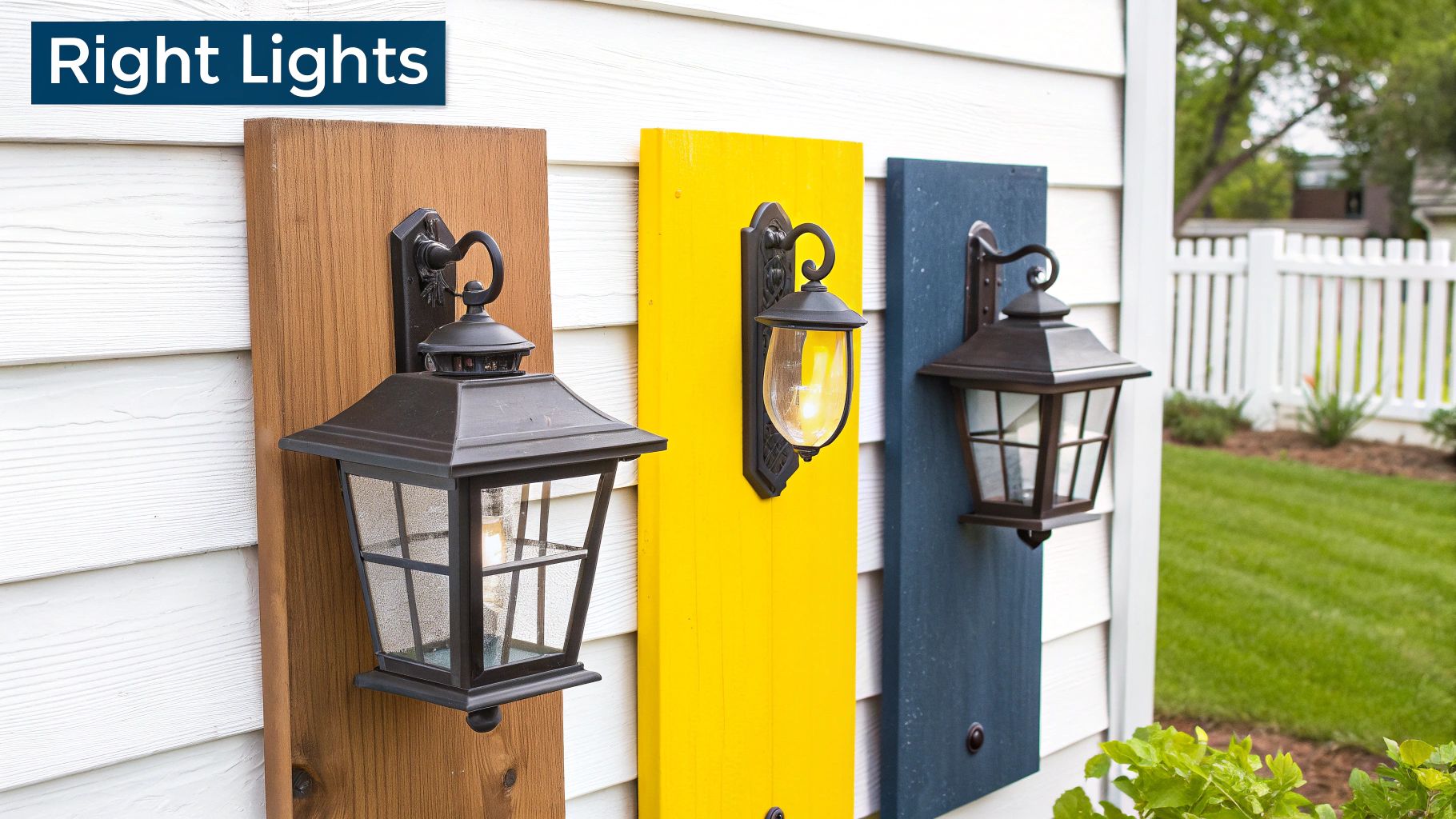
Let's be honest: not every solar light is built to handle Knoxville’s distinct four seasons. From our famously humid summers to frosty winter mornings, you need fixtures that perform reliably all year long. This guide will help you select the perfect solar porch lights outdoor by breaking down the key features that truly matter for our local climate.
Decoding Brightness and Color Temperature
First, let's talk about the light itself. Understanding brightness and color is how you set the perfect mood for your entryway.
- Brightness (Lumens): Lumens measure how much light a fixture produces. For a gentle, ambient glow perfect for relaxing evenings, look for lights in the 50–150 lumen range. For security purposes, where brightness is key, a motion-activated light should be 300 lumens or more.
- Color Temperature (Kelvin): This number describes the color of the light. For a warm, cozy glow similar to a traditional incandescent bulb, stick to the 2700K to 3000K range. If you prefer a crisp, modern white light, look for temperatures around 5000K to 6000K.
For most Knoxville homes, a warm white light around 3000K is the sweet spot. It creates a welcoming, classic look that beautifully complements the brick and natural stone common in local architecture.
Built to Withstand Knoxville's Climate
East Tennessee weather can be tough on outdoor fixtures. That’s why the IP rating is one of the most critical specs to check.
The IP (Ingress Protection) rating is a simple two-digit number indicating how well a fixture is sealed against solids (like dust) and liquids (like rain). The second digit is what matters most for our area.
A rating of IP65 is an excellent benchmark for any solar lights in our region. This means the fixture is completely dust-tight and can handle water jets from any direction—perfect for shrugging off our heavy spring downpours and humid air.
Key Features for Knoxville Solar Porch Lights
This table compares the most important features to consider for our local climate.
| Feature | What to Look For | Why It Matters in Knoxville |
|---|---|---|
| IP Rating | IP65 or higher | Ensures protection against heavy rain, humidity, and dust. |
| Lumens | 50-150 for ambient; 300+ for security | Balances a welcoming glow with effective security brightness. |
| Color Temperature | 2700K-3000K (Warm White) | Complements the traditional brick and stone architecture seen in neighborhoods like Farragut. |
| Battery Capacity | 1500mAh or greater | Provides enough power storage for shorter winter days or cloudy spells. |
| Solar Panel Type | Monocrystalline | More efficient at converting sunlight into energy, which is key on less-than-sunny days. |
Matching Styles and Functions
Beyond the technical specs, think about how you'll use the lights. Are you aiming for constant, gentle illumination or a bright blast of light for security?
- Dusk-to-Dawn Lights: These provide steady, ambient light. A sensor automatically turns them on at sunset and off at sunrise, giving you a consistent glow all night.
- Motion-Activated Lights: These are brilliant for security. They stay dim or off until they sense movement, then switch to full brightness. They're perfect near doorways and garages, enhancing safety without contributing to light pollution.
You can find everything from classic lantern sconces that look right at home on a traditional Knoxville home to sleek, minimalist fixtures perfect for a modern downtown condo. There’s a style for every aesthetic.
Placing Your Lights for Maximum Sun and Style
Figuring out where to place your solar lights is just as important as choosing the right ones. Proper placement ensures your fixtures get enough sun to stay bright all night and elevates the look of your home from average to architecturally stunning.
For your solar porch lights outdoor to perform reliably, their panels need a solid 6-8 hours of direct sunlight each day. This can be tricky in Knoxville, with our beautiful rolling hills and mature oak trees casting long shadows. Before installing, spend a day observing how the sun moves across your property. Identify the spots on your porch, columns, or railings that receive the most unfiltered light, especially in the afternoon.
Finding Your Sun Pockets
The south-facing side of your home is prime real estate for solar panels. However, east or west-facing walls can also work if they get a long stretch of direct sun. Remember that the sun's angle changes seasonally—it’s much lower in the sky during our Knoxville winters, so a spot that’s sunny in July might be shaded in December.
Expert Tip: If the perfect spot for your light fixture is in the shade, look for a model with a separate solar panel connected by a thin wire. This gives you the flexibility to mount the light where it looks best and place the panel a few feet away in a sunnier location.
Beyond Function: The Art of Placement
Once you’ve mapped out your sunniest spots, it’s time to focus on design. How you place your lights can completely transform your home's curb appeal after dark. Instead of just one light by the door, think about creating layers of light for depth and visual interest.
Here are a few professional techniques to try:
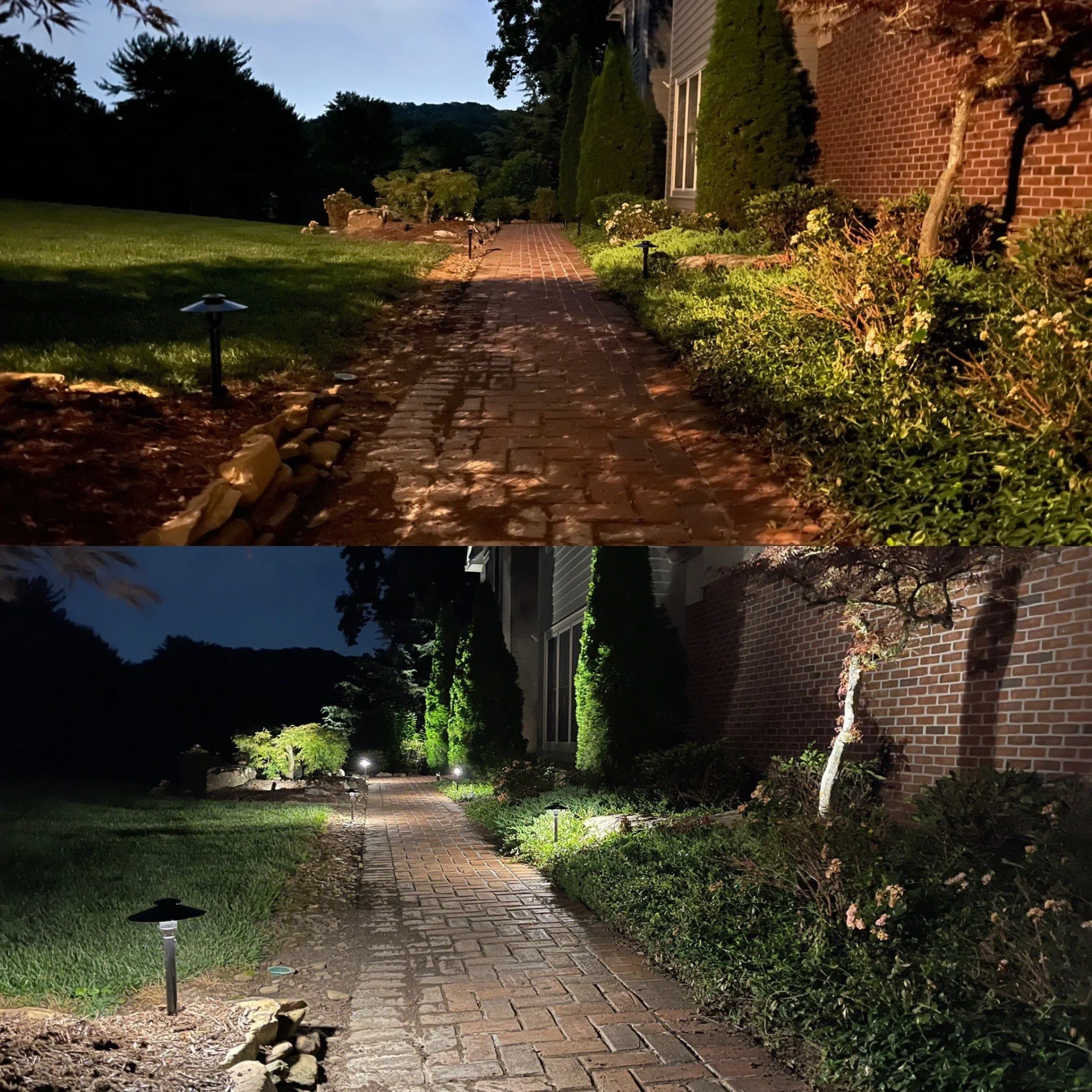
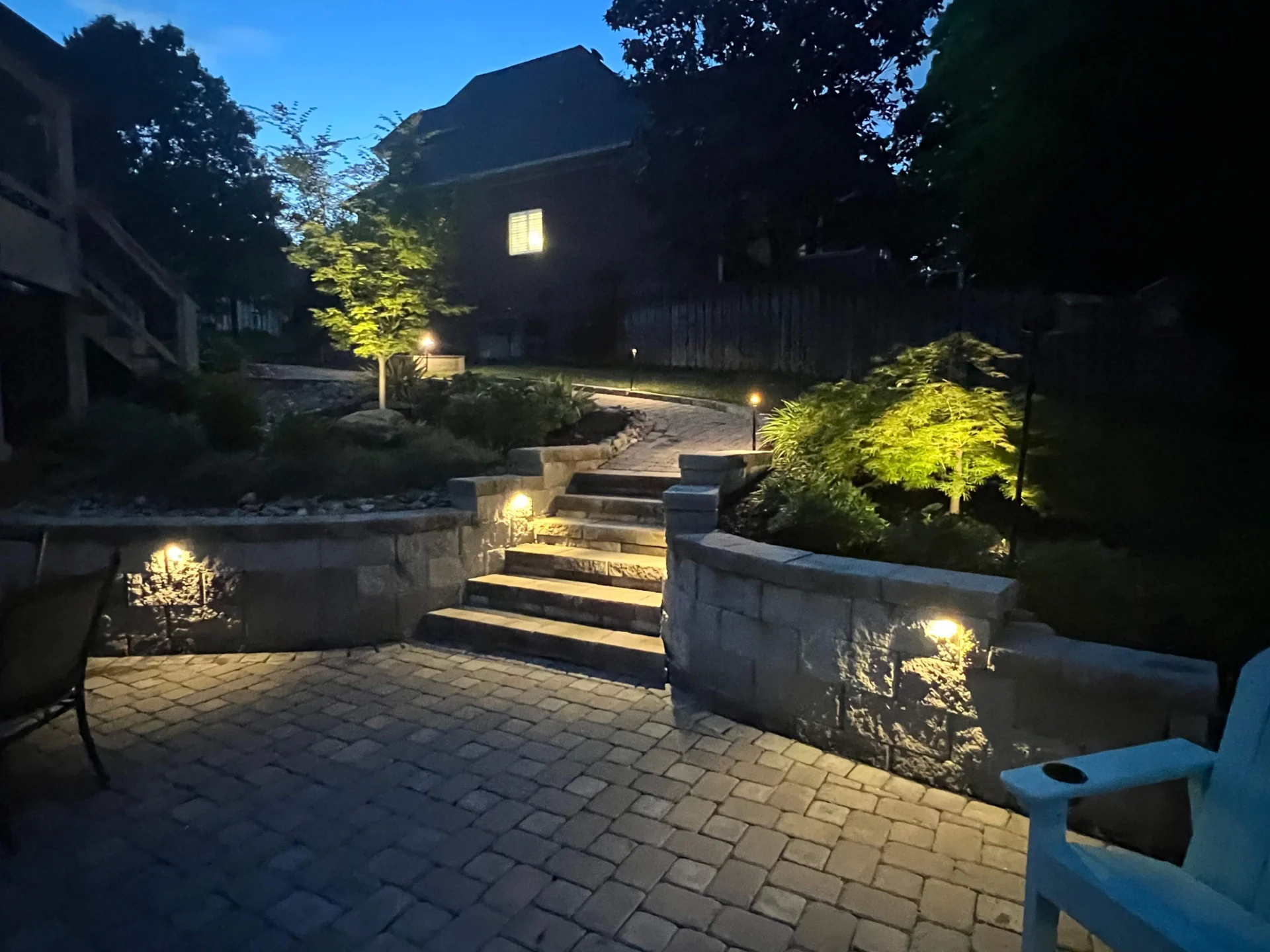
- Uplighting for Drama: Place a solar spotlight on the ground and aim it up at a stone column, textured wall, or other architectural detail. This creates dramatic shadows and highlights textures for a high-end, custom look.
- Downlighting for Safety: Mount fixtures higher up on posts or walls to cast light downwards. This is ideal for illuminating steps, walkways, and your front door, providing great visibility and reducing glare.
- Combining Fixture Types: Mix and match fixtures to build a complete lighting scene. Pair soft, welcoming solar sconces on either side of your front door with a powerful, motion-activated security light over the garage.
A layered approach ensures your porch is both beautifully lit and secure. These same principles can brighten other parts of your yard. For more ideas, check out our guide to designing beautiful and functional patio lights.
A Practical Guide to Installation and Smart Controls
One of the biggest advantages of modern solar porch lights outdoor is their ease of installation. Forget hiring an electrician or spending your weekend on a complicated wiring project. Most fixtures are designed for a quick, straightforward setup that can boost your home's look and safety in under an hour.
This simple workflow breaks down how to approach placement—a little planning goes a long way.
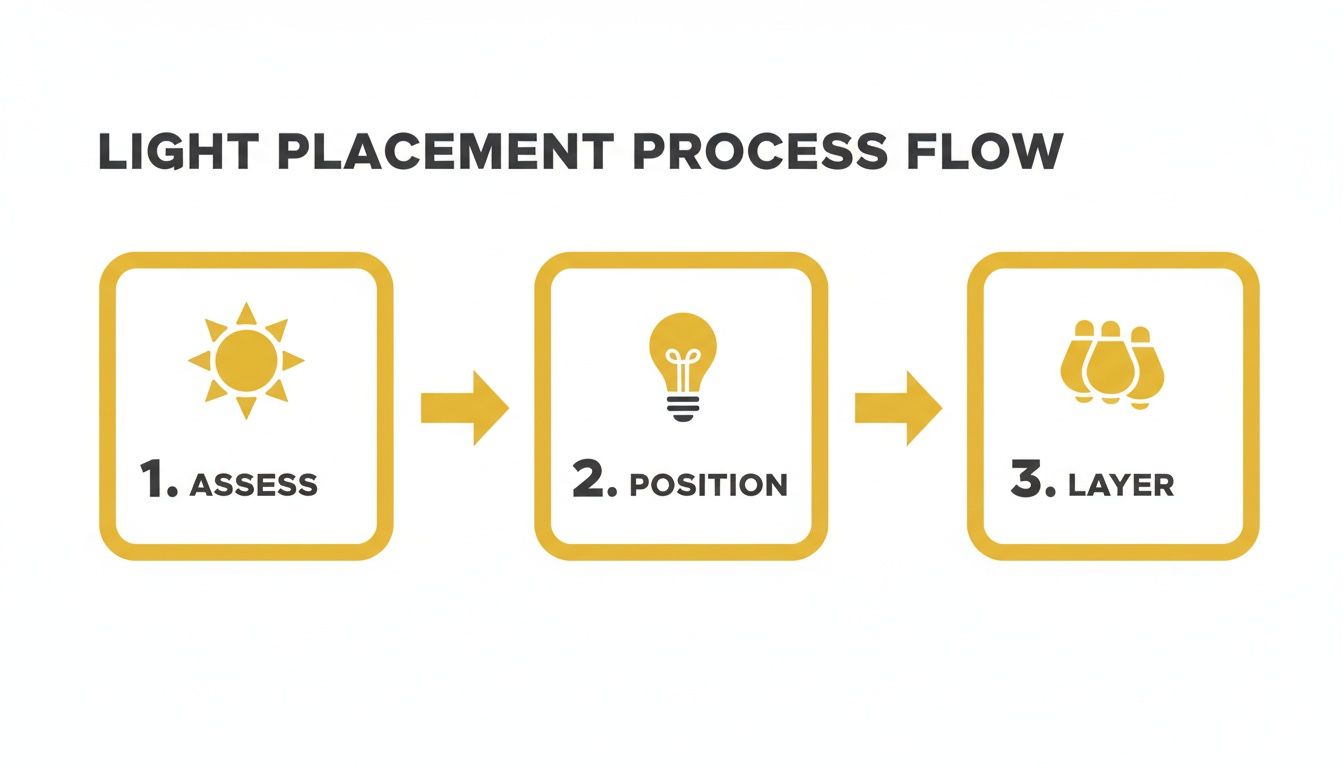
Following these steps helps you nail both the practical side (getting enough sun) and the aesthetic side (making your home look its best).
Mounting on Common Knoxville Exteriors
Our East Tennessee homes feature a variety of beautiful materials. Each requires a slightly different mounting technique, but the process is simple with basic tools.
- For Brick: Use a hammer drill with a masonry bit to create a pilot hole. Insert a wall anchor, then screw the mounting bracket securely into place.
- For Vinyl Siding: Avoid drilling directly into the siding. Use special vinyl siding clips or a mounting block that slides under the seam of a panel. This provides a stable surface without causing damage.
- For Hardie Board or Wood: A standard drill bit is all you need for a pilot hole. Attach the fixture with the included screws. For wood, add a dab of sealant in the hole to prevent moisture damage.
No matter the surface, always use a level to check your fixture before tightening the final screws. It’s a small detail that ensures a clean, professional look.
The Rise of Smart Solar Controls
Many new solar lights now come with smart features you can control from your phone. This technology gives you complete command over your home’s ambiance. Smart solar lights connect to your home's Wi-Fi and sync with a mobile app, allowing you to:
- Adjust Brightness Levels: Dim the lights for a relaxing evening or crank them to full brightness for security.
- Set Custom Schedules: Program your lights to turn on and off at specific times, independent of the sun.
- Change Colors: Instantly switch to orange for Halloween, festive red and green for Christmas, or any color for a party. This is a favorite feature for holiday decorators.
This level of control isn't just for homeowners; local businesses are also adopting this tech to slash energy bills and enhance their storefronts. For more ideas on integrating lighting with your landscape, check out our guide on installing retaining wall lights under the cap.
Keeping Your Solar Lights Working Through Knoxville Seasons
To get reliable, year-round performance from your solar porch lights outdoor, a little seasonal maintenance goes a long way. Just like cleaning your gutters, a few simple steps will keep your lights bright and dependable through any East Tennessee weather.
This is especially true for purely solar systems, though hybrid solar lighting is rapidly gaining popularity. These systems blend solar with grid power for unmatched reliability. It's the fastest-growing segment of the solar market, and you can read more about the rapid expansion of hybrid solar tech on globenewswire.com.
For standard solar lights, here’s how to keep them in top shape.
Spring and Summer Care
Every Knoxvillian knows about the thick yellow blanket of spring pollen. That same film can significantly reduce your solar panel's ability to charge.
- Spring Cleaning: Once a month, wipe down the solar panel with a soft, damp cloth. It takes seconds but makes a huge difference in sun absorption.
- Summer Heat Check: Our humid summers can be tough on electronics. Briefly inspect the batteries for any signs of swelling or corrosion, especially if the lights are in direct, intense sunlight.
Fall and Winter Prep
As days get shorter and leaves begin to fall, a couple of quick adjustments will keep your lights performing at their best.
The biggest issue in the fall is debris. A single wet oak leaf stuck to a solar panel can stop it from charging completely. A quick sweep now and then is all it takes to keep it clear.
Winter brings shorter days and more cloud cover, so expect slightly shorter run times.
- Clear the Way: If we get a dusting of snow, gently brush it off the panel with a soft brush or gloved hand. Avoid hard scrapers that can scratch the surface.
- Manage Expectations: After a string of gray, overcast days, your lights might seem dimmer or not last all night. This is normal and they’ll bounce back after the next sunny day.
Simple Troubleshooting Fixes
If a light is dim or won't turn on, run through this quick checklist before assuming it's broken. This solves the problem 90% of the time.
- Check for Obstructions: Has a tree branch grown, casting a new shadow? Have leaves covered the panel?
- Clean the Panel: Give it a good wipe-down to remove grime.
- Inspect the Battery: Open the battery compartment. Is the battery seated correctly? Is there corrosion on the contacts? Sometimes, just reseating the battery fixes the connection.
- Test the Location: If you suspect the spot is too shady, move the light to a location with full, direct sun for a day. If it works that night, the original spot isn't getting enough light.
When to Bring in a Lighting Professional
While the easy DIY setup is a major perk of solar lighting, some projects benefit from an expert’s touch. Knowing when to call a professional can be the difference between a good result and a stunning one, ensuring your investment is safe, beautiful, and built to last.
Consider calling a pro for complex scenarios, such as integrating solar into a complete landscape lighting design or mounting lights on a tricky second-story roofline. A lighting expert brings design knowledge to create a cohesive look that complements your home’s architecture.
Expertise for More Complex Projects
A professional installer also has access to commercial-grade products that offer superior durability and performance compared to what's available at big-box stores.
You should consider a professional for situations like these:
- Integrating Hybrid Systems: A hybrid system that uses grid power as a backup offers guaranteed performance, but its installation requires professional electrical knowledge. This is not a DIY job.
- Large-Scale Designs: For businesses or larger properties in the Farragut area, creating a balanced and effective lighting plan requires skill in understanding beam angles, fixture spacing, and layering light.
- Safety and Longevity: Professionals ensure fixtures are mounted securely, connections are weatherproofed, and panels are placed optimally for Knoxville’s specific sun patterns, guaranteeing your system performs flawlessly for years.
A professional not only ensures a flawless installation but also brings a creative eye to the project, often seeing opportunities to accentuate your home's best features that you might not have considered.
Our team has designed and installed high-performance solar porch lights outdoor for homes and businesses across the Knoxville area. We handle all the technical details so you can simply enjoy the beautiful results.
Ready to transform your home after dark? Get a free lighting design consultation.
Got Questions About Solar Porch Lights? We've Got Answers.
It's natural to have questions before making the switch. Here are some of the most common ones we hear from Knoxville homeowners.
Will These Lights Work in a Cloudy Knoxville Winter?
Yes, they do. Modern solar panels are far more efficient than older models and can generate a surprising amount of energy even on overcast days. Look for lights with high-capacity batteries (around 1500mAh or more) to store enough power to last through the night. After a long stretch of gloomy weather, you might notice a shorter runtime, but they’ll return to full strength on the next sunny day.
Are Solar Porch Lights Bright Enough for Security?
It depends on your goal. For a warm, welcoming glow, a decorative sconce with 50-150 lumens is perfect. It provides enough light to see your keys and creates a lovely ambiance.
For true security, choose a dedicated motion-activated model that emits 300+ lumens. This bright, attention-grabbing light is an effective deterrent. Many homeowners in Knoxville use both: a stylish, low-lumen light for everyday ambiance and a powerful motion light covering the driveway or back door for a layered security approach.
How Long Do Solar Lights Last?
You'll be surprised by their longevity. The LED bulbs themselves can last for 50,000 hours or more—decades of use for most homes. The rechargeable battery is typically the first part to wear out, usually needing replacement every 2-3 years, which is a simple and inexpensive fix. The solar panel itself is built to last for many years with minimal maintenance.
Can I Put Solar String Lights on My Covered Porch?
Absolutely, but there’s a trick. If your porch roof blocks all direct sunlight, the attached solar panel won't be able to charge. The solution is to find a set with a detached solar panel on a long cord. This allows you to hang the lights under the covered porch while placing the panel in a sunny spot—on the edge of the roof, attached to a gutter, or staked in a nearby flower bed.
Ready to see how beautiful and effortless solar porch lights outdoor can look at your home? The team at Switch Lights is here to help you design the perfect setup for your Knoxville-area property.
Get a free lighting design consultation at switch-lights.com